The next generation of Vermeer directional drills

The pressure keeps mounting. The work keeps coming. New operators have to learn while the bore keeps moving. The crew still has footage to make. And when a machine problem hits, every moment spent searching for answers is another dollar lost.
Vermeer Next Generation horizontal directional drills put more of that burden on the machine.
The job asks more of you.
So we asked more of the drill.
Frequently asked questions
Which Vermeer drills are Next Generation models?
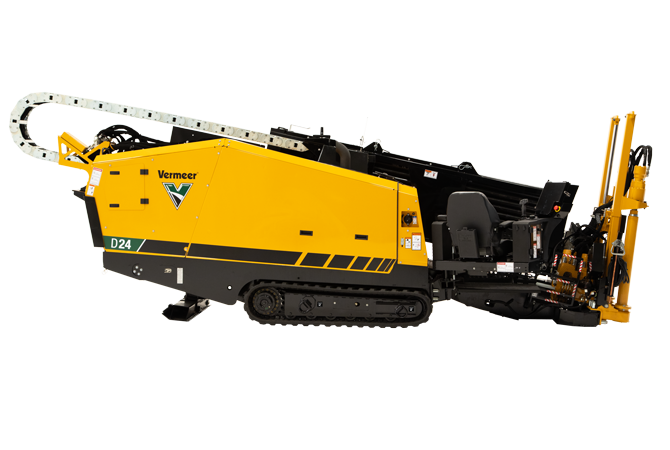
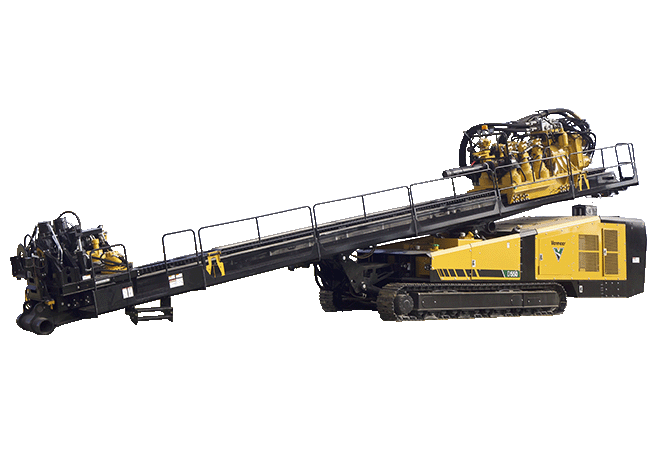
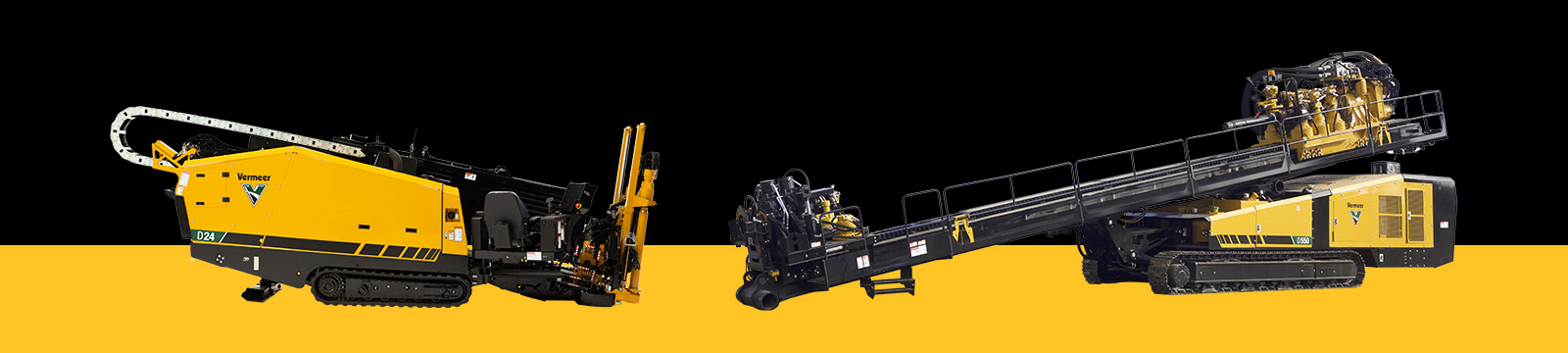
The D24 and D550 launched the Vermeer Next Generation lineup. The D24 is built for smaller-diameter utility installation, while the D550 takes on long, large-diameter bores. Available features vary by model.
Compare the machines below or talk with your Vermeer HDD dealer to find the drill that fits your work.
Why does the D24 warranty matter?
The cost of owning a drill continues long after the purchase. The three-year or 3,000-hour OEM extended warranty gives D24 owners added confidence that their investment is backed by Vermeer, subject to the warranty’s terms and conditions.
Watch the video to learn how the warranty works. Then talk with your Vermeer dealer about the coverage behind your machine.
What warranty comes with the Vermeer D24?
The Vermeer D24 carries a three-year or 3,000-hour OEM extended warranty, whichever comes first.
Your Vermeer dealer can walk you through coverage, exclusions and the support process.
Why does a consistent rod exchange matter?
Rod exchange demands the same precise steps.
Too much torque can stress rod connections. Too little can leave a connection loose. A rushed approach can spin rods or wear vise components. ARE runs the sequence the same way each time, giving operators a more consistent process to follow.
Does automated rod exchange replace the operator?
No. The operator positions the rod, closes the vise and starts the sequence. ARE controls the repeated steps that follow.
The operator still runs the drill. The machine takes on more of the repetition.
What is automated rod exchange?
Rod exchange happens repeatedly throughout every bore. Each exchange asks the operator to make the right moves, in the right order, every time.
Automated rod exchange, or ARE, controls much of that sequence on the Vermeer D24 horizontal directional drill. Once the operator positions the rod in the vise and closes it, one button starts the approach, connection, torque application and release. ARE can remove up to 19 manual inputs from each rod change.
What are intelligent onboard diagnostics?
A fault code tells you something went wrong. Intelligent onboard diagnostics help tell you what to do next.
The drill displays specific information and troubleshooting steps for certain machine issues. Operators can start working toward an answer from the rig without waiting for a dealer service tool.
How do Next Generation drills help new operators learn?
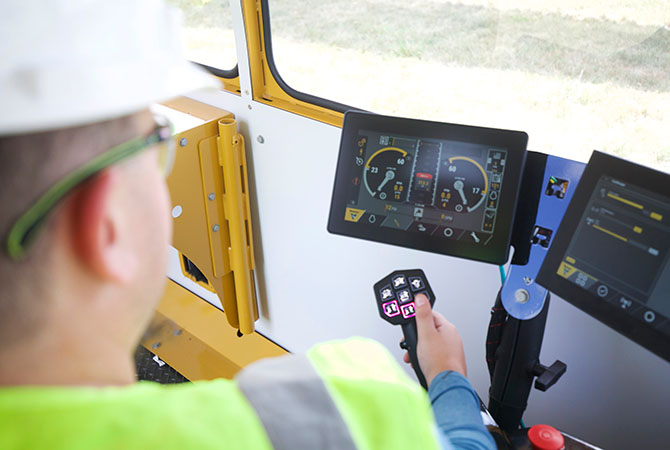
New operators have a lot to learn before the first rod ever turns. Clear displays, operator-focused controls and automated functions give crews a process they can show, teach and repeat.
New operators spend less time guessing at the next move.
What makes a Vermeer drill Next Generation?
HDD crews have more work to complete, more operators to train and no time to waste searching for answers when a machine problem hits.
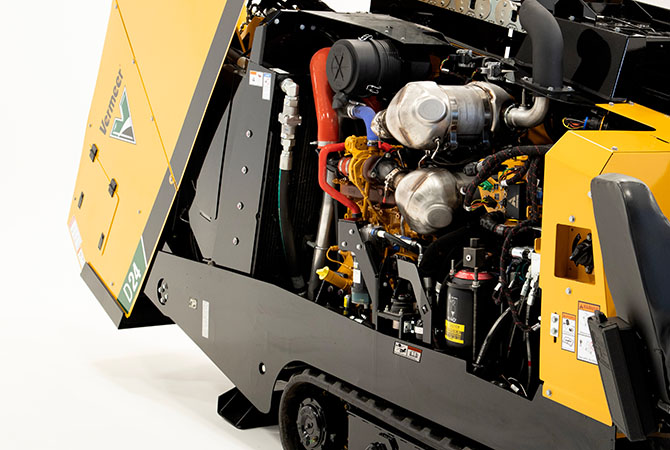
Next Generation Vermeer drills answer those pressures with updated machine systems, intelligent onboard diagnostics and controls that put more knowledge and consistency into the machine. Features vary by model.
Take control of your work
Shorten the learning curve.
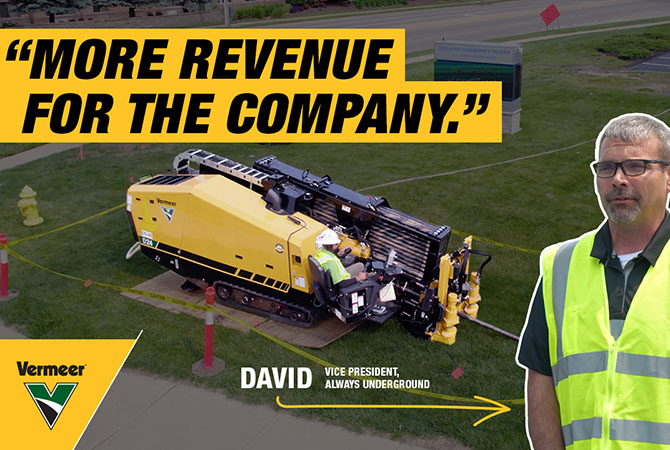
Finding labor is hard. Clear controls and automated functions on Vermeer Next Generation drills help new operators learn faster and contribute to the crew sooner.
Get the answers you need.
And right when you need them. Intelligent onboard diagnostics deliver real-time machine information and troubleshooting steps for certain issues on the drill display.
Make every rod change consistent
ARE cuts up to 19 manual inputs from rod exchange on the D24. Push one button. The drill runs the sequence.
Get more from your workday
Available rod capacity, fluid flow and operator-focused features help crews complete more bore footage during the workday. Features vary by model.
One button.
Yep, that’s it.
Rod exchange happens again and again. So do the chances to rush a connection, miss the torque or wear the tooling.
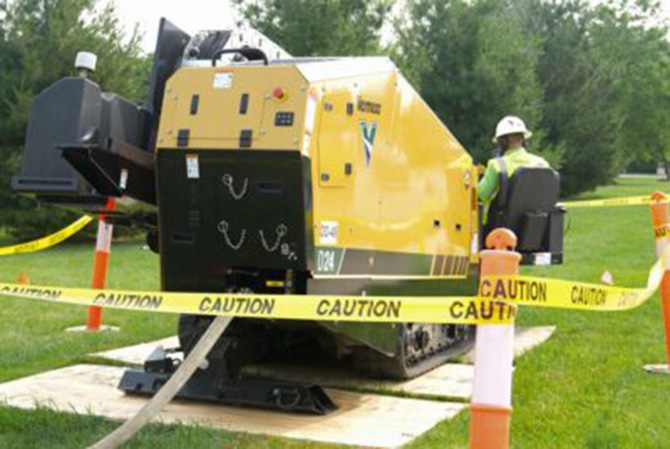
Automated rod exchange cuts up to 19 manual inputs from every rod change on the D24. The operator positions the rod, pushes one button and lets the drill run the sequence.
Experienced operators get relief from a task repeated throughout the bore. New operators get a clear process to follow.
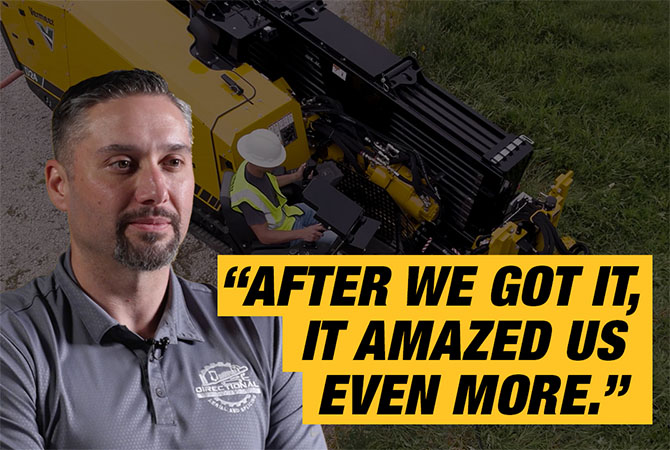
Hear from operators who put Next Generation drills to work
Count on the machine. And the people behind it.
Talk to a dealer about the next gen
Find the drill built for your next bore
Next Generation is not one new machine or one new feature. It is a new direction.


See what changed. And what it could change for your operation.
The technology changed. The controls changed. The way operators experience the drill changed. See how those advances can help give your crew more control, consistency and footage.